How to Choose the Best Cheese Pizza in Boulder, Colorado
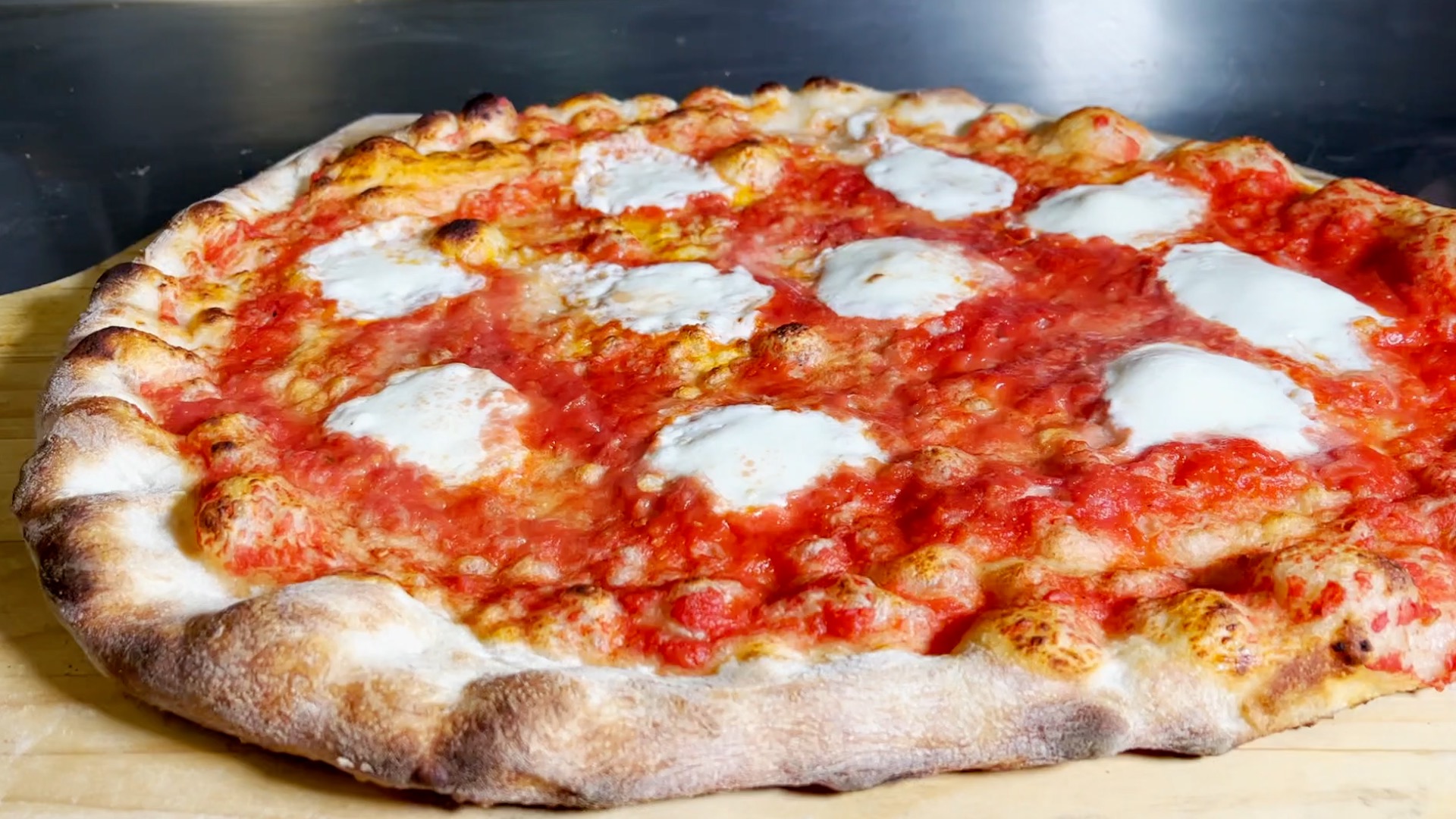
Finding a great cheese pizza sounds simple until you try to do it with any seriousness. Boulder has no shortage of pizza, and that is exactly the problem. A town with students, longtime locals, trail runners, tech workers, visiting parents, and plenty of well-traveled eaters tends to produce a wide range of pizza styles. Some spots chase a crisp, blistered crust with restrained toppings. Others lean comfort-first, with thicker slices, heavier mozzarella, and a style built for groups, game nights, or late dinners after a hike. If you are trying to decide where to get the best cheese pizza in Boulder, Colorado, the right answer depends less on hype and more on what kind of pie you actually want.
Cheese pizza is also the hardest style for a restaurant to hide behind. With no pepperoni, sausage, mushrooms, or hot honey pulling focus, every element has to work. The crust has nowhere to hide. The sauce cannot be flat. The cheese has to melt evenly, brown in the right places, and still taste like dairy rather than just salt and stretch. A good cheese slice tells you almost everything you need to know about a pizza kitchen.
That is why cheese pizza remains the best benchmark when you are sizing up Boulder’s pizza scene. It strips things down to craft, balance, and consistency.
Why cheese pizza is the right test
People often treat cheese pizza like the default option, as if it matters less than specialty pies. The opposite is true. A loaded pizza can still taste decent when the crust is mediocre or the sauce runs too sweet. Cheese pizza exposes flaws quickly. If the dough is under-proofed, you will notice the dense chew. If the oven timing is off, the top may look done while the center stays pale and soft. If the sauce is over-seasoned, it will dominate the whole bite.
At strong pizza shops, cheese pizza is usually the item the staff judges themselves by. It lets them evaluate fermentation, hydration, oven heat, and the exact amount of sauce and cheese needed for balance. In practical terms, it also gives you a clean way to compare one restaurant with another. You are not asking whether one place makes a better buffalo chicken pizza than another place makes a better white pie. You are asking a clearer question: who executes the fundamentals best?
That matters in Boulder because the pizza options can span several traditions. You may find pies inspired by New York, Neapolitan, New Haven, Detroit, tavern, or a broad American neighborhood style. None of those approaches is automatically superior. What matters is whether the place understands the style it is aiming for and nails the details that make that style worth ordering.
Boulder’s pizza landscape rewards specificity
Boulder diners tend to know what they like, and local restaurants often respond by carving out distinct identities. One pizzeria may focus on long-fermented dough and a hot deck oven. Another may build its reputation on large foldable slices. Another may be beloved because it works for families, arrives reliably, and still tastes good after a Cheese Pizza Boulder, Colorado ten-minute drive home. Those are different strengths.
The mistake many people make is hunting for “the best” in the abstract. That usually leads to disappointment. If you want an airy, leopard-spotted crust and end up at a spot known for thick, cheesy comfort pies, you may be eating competent pizza and still feel let down. The same goes the other direction. Someone craving a classic American cheese pizza with real weight to it may not be thrilled by a minimalist wood-fired pie, even if that pie is made with excellent ingredients.
When you search for Cheese Pizza Boulder, Colorado, think less like a ranker and more like a buyer. You are not awarding a trophy. You are choosing what fits the moment. Lunch and dinner are different. Dine-in and takeout are different. A pizza that shines straight from a 900-degree oven may not travel as well across town. A sturdy New York-style pie may hold up beautifully in a box but feel less special if you eat it in the restaurant compared with a pie designed for immediate service.
Start with the crust, because everything else depends on it
Crust is the backbone of cheese pizza. You can love sauce, you can prefer a certain mozzarella blend, but if the crust misses, the pizza misses.
In Boulder, pay attention first to what kind of crust a restaurant is trying to make. Thin crust means very different things in different kitchens. One shop’s thin crust may be cracker-like and crisp all the way through. Another’s may have a tender center with a defined rim. A New York-style crust should usually offer a little structure, a little chew, and enough flexibility to fold without collapsing. A Neapolitan-style crust should be softer, more delicate, with a puffy edge and a center that may require knife-and-fork restraint for the first minute or two.
Good crust leaves clues before you even take a bite. Look at the underside if you can. It should show even browning rather than random burn marks or a pale, floury finish. The rim should have life in it, not just thickness. A big crust bubble can be attractive, but it should taste toasted and wheaty, not bitter or singed.
Texture matters just as much as flavor. Boulder’s dry climate can affect dough handling more than casual diners realize. A pizzeria that manages hydration well will produce crust that feels intentional rather than brittle or stale. This is especially important for by-the-slice shops, where slices may sit briefly before reheating. Great slice spots understand how to preserve chew without turning the base leathery.
If you only remember one thing, make it this: a strong cheese pizza crust should still taste good on its own. If you find yourself eating the edge happily instead of abandoning it on the plate, the kitchen probably knows what it is doing.
Sauce should support, not dominate
Sauce preferences are deeply personal, but quality still has markers. On a cheese pizza, tomato sauce should taste bright and integrated. You want enough acidity to keep the pie from feeling heavy, but not so much that every bite turns sharp. You want sweetness, but not the candy-like sweetness that often signals overcorrection or mass-market habits. Herbs and garlic should register as seasoning, not as a wall of flavor.
In Boulder, where ingredient-conscious dining is part of the culture, many places advertise quality tomatoes or house recipes. That can be meaningful, but the proof is in proportion and application. Too much sauce can swamp a thin crust and make the center soggy, especially on a pie meant for immediate oven-to-table service. Too little sauce can leave the pizza tasting flat and dry, no matter how good the cheese is.
A strong cheese pizza sauce usually creates a clean contrast with the dairy. When you bite through melted cheese and hit the tomato layer, there should be a lift that resets your palate. If the pie tastes monotonous after the second slice, the sauce may be the weak point.
One practical tip: if possible, order a standard cheese pizza before trying a white pie or a specialty pie. White pizzas can be excellent, but they tell you less about the restaurant’s sauce balance. If the red-sauce cheese pizza works, you can trust the kitchen more broadly.
Cheese is not just cheese
The phrase “cheese pizza” hides a lot of variation. Some Boulder pizzerias use low-moisture mozzarella for that familiar salty pull and golden top. Others blend fresh mozzarella with low-moisture to create pockets of creaminess and better browning. Some add provolone or pecorino for extra depth. A few keep it very restrained, aiming for balance rather than abundance.
None of these choices is automatically right or wrong. The question is whether the cheese matches the style. On a foldable slice, too much fresh mozzarella can release water and weigh down the center. On a wood-fired pie, a modest layer of fresh mozzarella may be exactly what keeps the pizza supple and clean-tasting.
What you want to avoid is imbalance. Heavy cheese can mute the sauce and bury the crust. Sparse cheese can leave a pie feeling unfinished unless the dough and tomato are exceptional. Great cheese pizza lands in that narrow zone where the dairy tastes generous without becoming greasy.
Watch for orange oil pooling across the surface. A little can be appetizing, especially on a hotter bake, but too much often means the cheese blend is working against the pizza. Likewise, a top that skins over or cools into a rubbery sheet suggests either the wrong cheese for the style or a pie that sat too long before hitting your table.
The oven and the bake tell the truth
A lot of diners talk about ingredients first, but pizza is really a cooking method as much as a recipe. The oven matters. So does the person running it.
Wood-fired, gas-fired, deck, conveyor, electric stone, each setup creates different strengths. A hot wood-fired oven can produce beautiful leoparding and dramatic rim expansion, but it requires precision. A deck oven may offer more even bottom browning and consistency across busy service. Neither is inherently better. What matters is whether the final pie matches the promise of the style.
When you get your pizza, take ten seconds before digging in. Notice the color. Is the crust evenly baked? Is the cheese melted into the sauce, or does it look as though the components never fully came together? Does the center sag because the pie is naturally delicate, or because it was underbaked?
In Boulder’s busier restaurants, consistency can shift between slower weekday afternoons and packed weekend nights. If you have a disappointing experience on a Saturday at 7 p.m., it may reflect service pressure as much as the restaurant’s true ceiling. Likewise, a place that turns out an excellent pie during a lull may struggle when the ticket queue doubles. If you are serious about finding your favorite cheese pizza, try a contender more than once, ideally under different conditions.
Dine-in and takeout are not the same contest
This is where many recommendations go sideways. The best cheese pizza in a dining room is not always the best cheese pizza in your living room twenty minutes later.
A delicate pie with a light center and fresh mozzarella can be glorious the moment it lands on the table. Box that same pie, drive it across Boulder, and steam may soften the crust before you make it home. Meanwhile, a sturdier pie with a drier bake and firmer cheese blend may travel beautifully and even improve during the short rest.
If your goal is takeout, consider the route home, weather, and timing. Boulder traffic is not exactly a major-city problem, but a ten-minute drive versus a twenty-minute drive can still change a pizza. Winter temperatures can cool a pie fast. Summer humidity from a closed box can soften a crisp crust. If a restaurant is known for thin, crisp bases, eat there when possible. If you need delivery or pickup, ask which pie style holds up best.
Here is a short practical framework I use when evaluating pizza for real-life eating, not just ideal conditions:
- Judge the first slice immediately for structure, heat, and balance.
- Reassess the second slice after a few minutes, when steam and cooling start to change texture.
- Notice whether the crust edge remains appealing without dipping sauces or add-ons.
- Check the box ten minutes later if it is takeout, because that reveals how the pizza travels.
- Ask yourself whether you want a third slice, which is often the clearest quality test.
That last point may sound simple, but it is useful. Plenty of pizzas impress on first glance. Fewer stay compelling after two slices.
Price matters, but value matters more
Boulder is not a cheap restaurant town. Rent, labor, and ingredient costs all show up on the menu. Still, a higher price does not guarantee better cheese pizza. Sometimes it reflects premium ingredients and skilled labor. Sometimes it reflects location and overhead. Sometimes both are true.
Instead of chasing the least expensive pie or assuming the priciest one must be superior, think in terms of value. A well-made 12-inch pizza that uses excellent dough and balanced cheese may justify a premium if it delivers a memorable meal. A giant pie that feeds several people may offer better value for a family even if it is less refined. The right call depends on occasion.
There is also the matter of add-ons. Some places charge noticeably for extra cheese, dipping sauces, gluten-free crusts, or specialty cheese blends. If you are judging a pizzeria on cheese pizza alone, order the standard version first. That gives you a baseline and protects you from confusing upgrade options with core quality.
Service tells you more than you think
A restaurant’s attitude toward a simple cheese pizza often reveals its seriousness. If the staff can describe the crust style clearly, explain whether the pie is better for dine-in or takeout, or tell you how long a fresh whole pie will take versus reheated slices, that is usually a good sign. It means someone has thought beyond the menu copy.
Good service also helps you avoid mismatches. I have seen people order a delicate, soft-centered pie for a long drive home and then complain that it was not crisp enough on arrival. That is not always a kitchen failure. A candid server might have steered them toward a different pie or suggested eating on-site.
If you are visiting Boulder and only have one shot, ask direct questions. Which cheese pizza represents the shop best? Which one do employees eat? Does the crust stay crisp in a box? Those questions tend to produce more useful answers than asking for “the best thing on the menu.”
Local context shapes expectations
Boulder’s food culture has a few quirks worth keeping in mind. Diners here often care about ingredient sourcing, dietary flexibility, and customization. That can be a strength, especially if you need gluten-free or vegetarian options, but it can also blur the line between a pizza place with broad accommodations and a pizza place obsessed with traditional execution. Those are not the same thing.
There is also a lifestyle component. A restaurant near campus may optimize for slices, speed, and price point. A neighborhood spot may excel at family takeout. A more destination-style pizzeria may lean artisanal and reward slower dining. You can find excellent cheese pizza in each category, but you need to know what the establishment is trying to be.
Seasonality plays a quieter role too. Boulder’s patios, event calendar, university rhythms, and tourism patterns can all affect wait times and kitchen pace. A pie served on a snowy weeknight in February may come out under very different conditions than one ordered on a bustling fall football weekend. If you are making a judgment that really matters to you, context counts.
Common mistakes people make when choosing pizza in Boulder
Most bad pizza choices are not actually about bad pizza. They come from bad matching. People read one glowing review, ignore style differences, and order based on reputation alone. They pick a spot famous for specialty pies and then act surprised when the plain cheese pizza feels less dialed in. Or they expect the same performance from dine-in, delivery, and reheated slices.
These are the errors worth avoiding:
- Confusing popularity with fit for your preferred style.
- Ignoring how well a pizza travels before ordering takeout.
- Judging a slice shop by the standards of a whole-pie restaurant, or vice versa.
- Ordering during peak rush and assuming an off night tells the full story.
- Adding too many modifications before trying the baseline cheese pie.
That last mistake is especially common. If you are evaluating Cheese Pizza Boulder, Colorado, keep the first order simple. Extra cheese, vegan substitutions, added garlic, drizzle, or seasoning blends may all be enjoyable, but they can muddy your read on the fundamentals.
How to trust your own palate
Reviews help, but they are often noisy. One person wants crispness, another wants softness. One person values char, another calls the same char burnt. One reviewer punishes a pie for being expensive. Another forgives the price because they love the room, the service, or the ingredient story. All of that is real, but it does not settle your choice.
A better approach is to identify your own non-negotiables. Do you want a foldable slice or a knife-and-fork pie? Do you care more about a crackly underside or a tender chew? Are you craving a classic American cheese profile or something lighter and more restrained? Once you know that, filtering Boulder’s options gets much easier.
I would also encourage repeat sampling over one-shot judgments. Some pizzas are crowd-pleasers right away. Others become favorites because their balance keeps drawing you back. A pie that feels slightly understated on first bite may end up being the one you order all year because it never turns greasy or tiring. Cheese pizza rewards that kind of attention.
The best cheese pizza is the one that fits the moment
A Friday lunch downtown, a family movie night, a post-hike dinner, a quick campus slice, and a date-night pie eaten fresh from the oven are not the same occasion. Boulder has enough range that you can usually find a cheese pizza suited to each one. The challenge is choosing with intention.
Look for a place whose crust style matches your preference. Judge sauce by brightness and restraint. Pay attention to the cheese blend and how it melts. Consider whether you are dining in or taking it home. Weigh value, not just price. Ask a couple of smart questions. Then trust what the pizza tells you in the first two slices.
That is the cleanest path to finding the best cheese pizza in Boulder, Colorado. Not by chasing somebody else’s ranking, but by reading the pie in front of you and knowing what great fundamentals feel like when they come together.
Brooklyn Pizza
Address: 1647 Arapahoe Ave, Boulder, CO 80302
Phone number: +17203282324
FAQ About Cheese Pizza Boulder, Colorado
What is usually on a cheese pizza?
A standard cheese pizza consists of a yeast dough crust, a seasoned tomato-based sauce, and melted mozzarella cheese.
What is a cheese pizza called?
A basic cheese pizza is simply called a cheese pizza, a plain pizza, or a plain pie.
What is the best recipe for cheese pizza?
The best cheese pizza recipe uses high-heat baking, a simple raw tomato sauce, and a mix of low-moisture and fresh mozzarella cheese on a homemade yeast dough.