Cheese Pizza Variations Every Food Lover Should Try
Cheese pizza is often treated like the baseline, the control group, the thing you order for a crowd when nobody can agree. That undersells it badly. A well-made cheese pizza is one of the clearest tests of a kitchen’s judgment because there is nowhere to hide. No pile of toppings can cover a weak dough, a thin sauce, or cheese that breaks into grease before the crust has properly browned. When the pie is right, though, it can be more satisfying than a loaded specialty pizza by a wide margin.
Anyone who has spent time around pizzerias, whether as a regular customer, a home baker, or a cook trying to dial in oven timing, learns quickly that Cheese Pizza “cheese pizza” is not one thing. It changes with flour, hydration, fermentation, oven temperature, sauce style, and most of all the cheese itself. The differences are not subtle. A New York slice with low-moisture mozzarella delivers a completely different experience from a blistered Neapolitan pie topped with fresh fiordilatte, even though both could fairly be called cheese pizza.
For food lovers, that variety is the appeal. Tasting across styles sharpens your palate and makes the next slice more interesting. It also gives you language for what you actually like. Some people want stretch, salt, and browned edges. Others want milky freshness, restrained sauce, and a tender center that needs a knife and fork for the first few bites. Neither camp is wrong. They are just eating different expressions of the same idea.
Why cheese pizza deserves serious attention
The simplest pizzas reveal the most. If you order a pie topped with sausage, peppers, olives, onions, and extra cheese, you are mostly judging the balance of the toppings. If you order a plain cheese pizza, every structural decision becomes obvious. You notice whether the dough has matured long enough to develop flavor. You notice if the sauce tastes bright or flat. You notice if the cheese was chosen for melt, flavor, or economy, and whether the baker understood the trade-offs.
That last point matters. Cheese is not a single ingredient in practice. Fresh mozzarella gives delicate dairy flavor and beautiful puddles, but it also releases water and can make the center of the pie soggy if handled casually. Low-moisture mozzarella melts more evenly and browns better, which is why so many classic American pizzas rely on it. Provolone adds sharpness. Pecorino and Parmigiano bring salinity and nuttiness in small amounts. A touch of fontina can deepen the creaminess. Even the order in which those cheeses are applied changes the result.
Cheese pizza also travels well across contexts. It can be a quick lunch slice, a late-night comfort food, a carefully plated dinner from a wood-fired oven, or a backyard project where the dough has been cold-fermented for three days. Very few dishes are that adaptable without losing identity.
The classic New York cheese slice
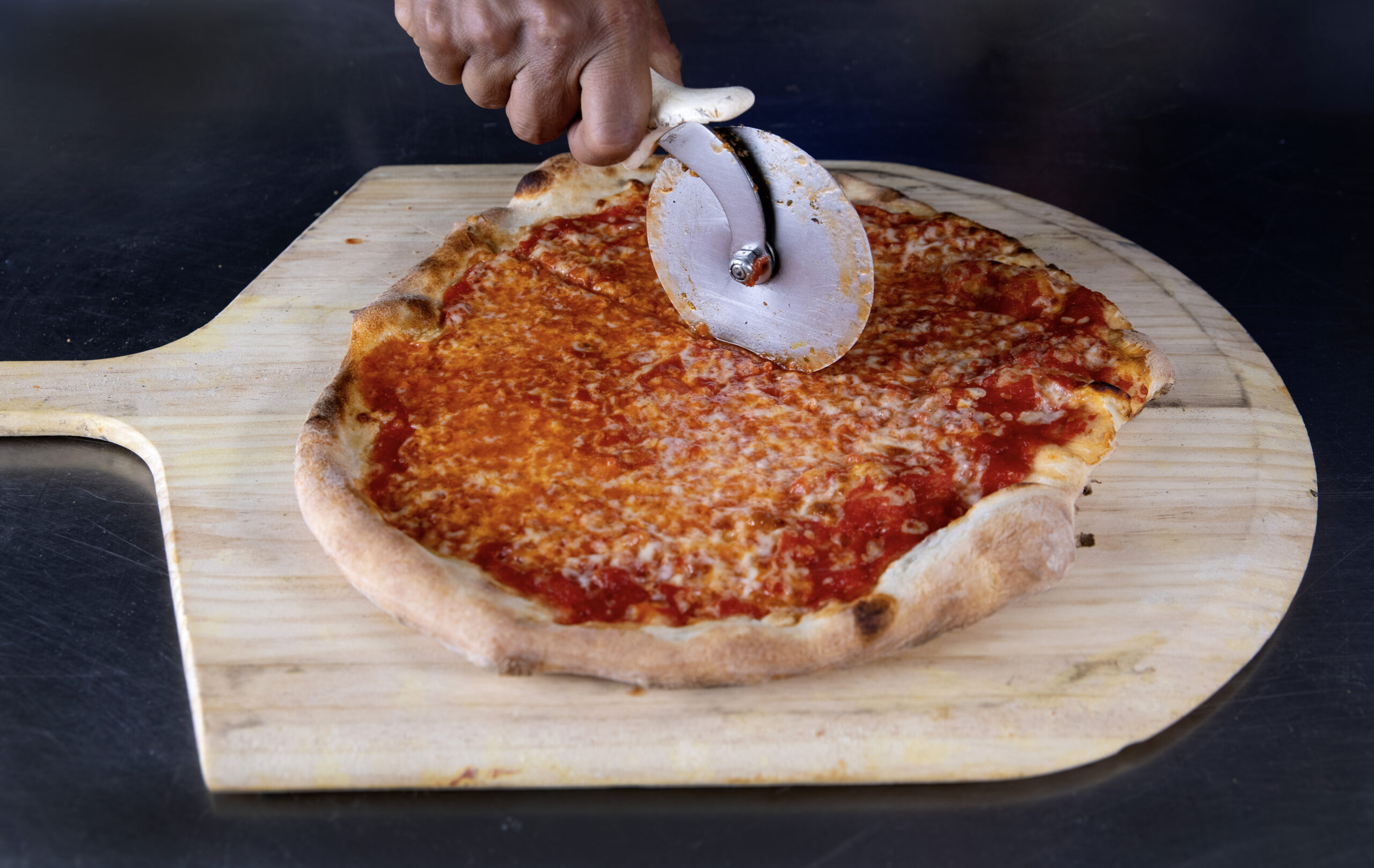
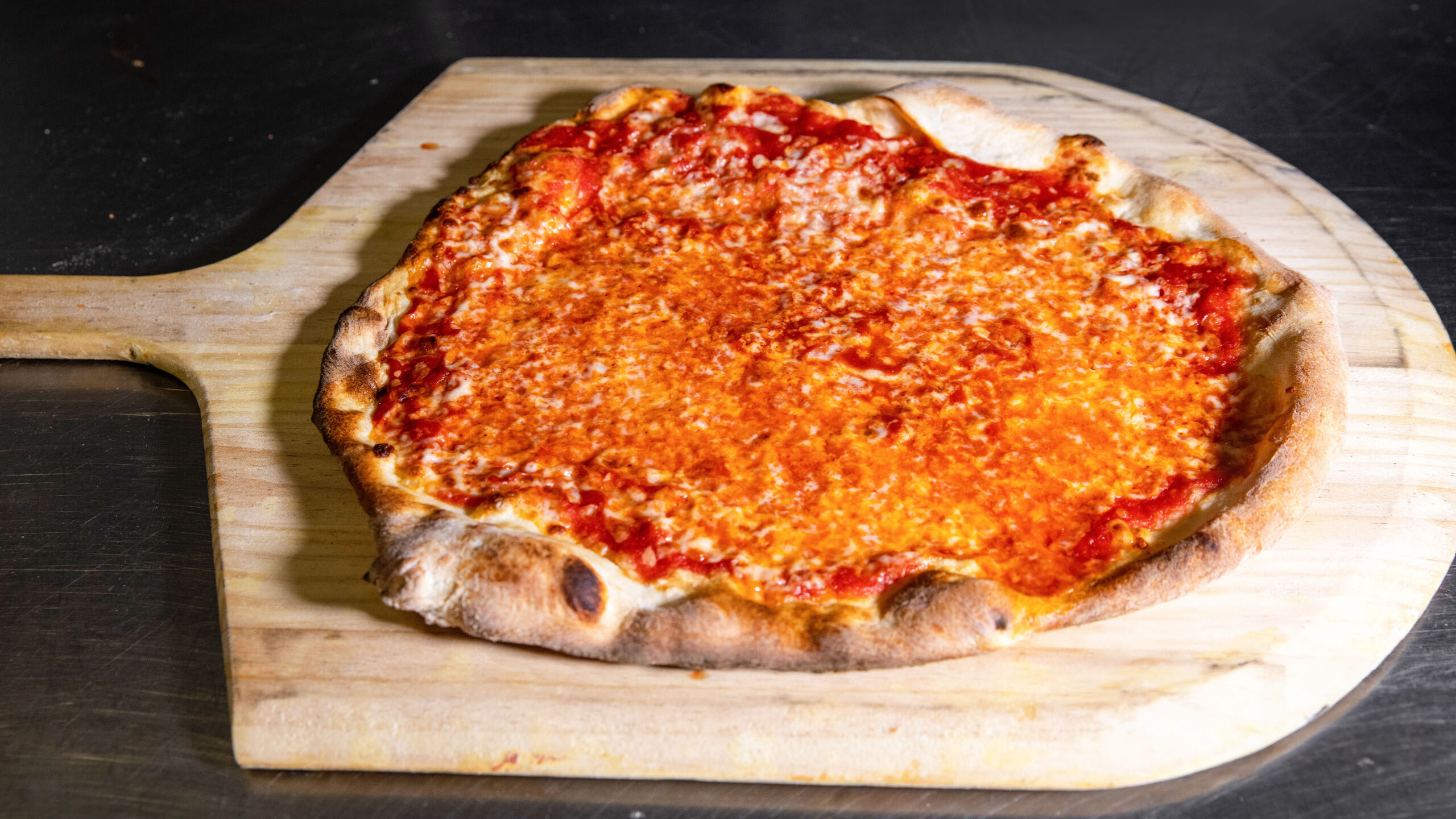
If there is one style that converts skeptics, it is the New York cheese slice eaten fresh from a busy shop. It starts with a medium-thin crust that can fold without cracking, yet still carries enough structure to support cheese and sauce. The bottom should show light charring and crispness, while the interior keeps a bit of chew. That balance is harder to achieve than it looks.
The standard cheese here is low-moisture mozzarella, often shredded rather than sliced. That choice is practical and sensory at the same time. It melts into a cohesive blanket, browns in patches, and delivers the familiar pull that defines the style. The sauce is usually more seasoned than in Neapolitan pizza, often with oregano, garlic, or a touch of sweetness to balance acidity. When the proportions are right, no single component dominates. You get crust first, then tomato, then dairy, then a salty finish.
A strong New York cheese pizza often improves with a brief reheat by the slice. That seems counterintuitive until you eat one in a good shop. The second bake firms the underside, reactivates the cheese, and slightly concentrates the sauce. It is one reason why a great slice joint can turn out a more compelling single slice than a full pie taken straight home and left to steam in the box.
For food lovers trying to understand style, this is the benchmark for balance and repeatability. It rewards attention, but it also remains wonderfully unpretentious.
Neapolitan margherita and the beauty of restraint
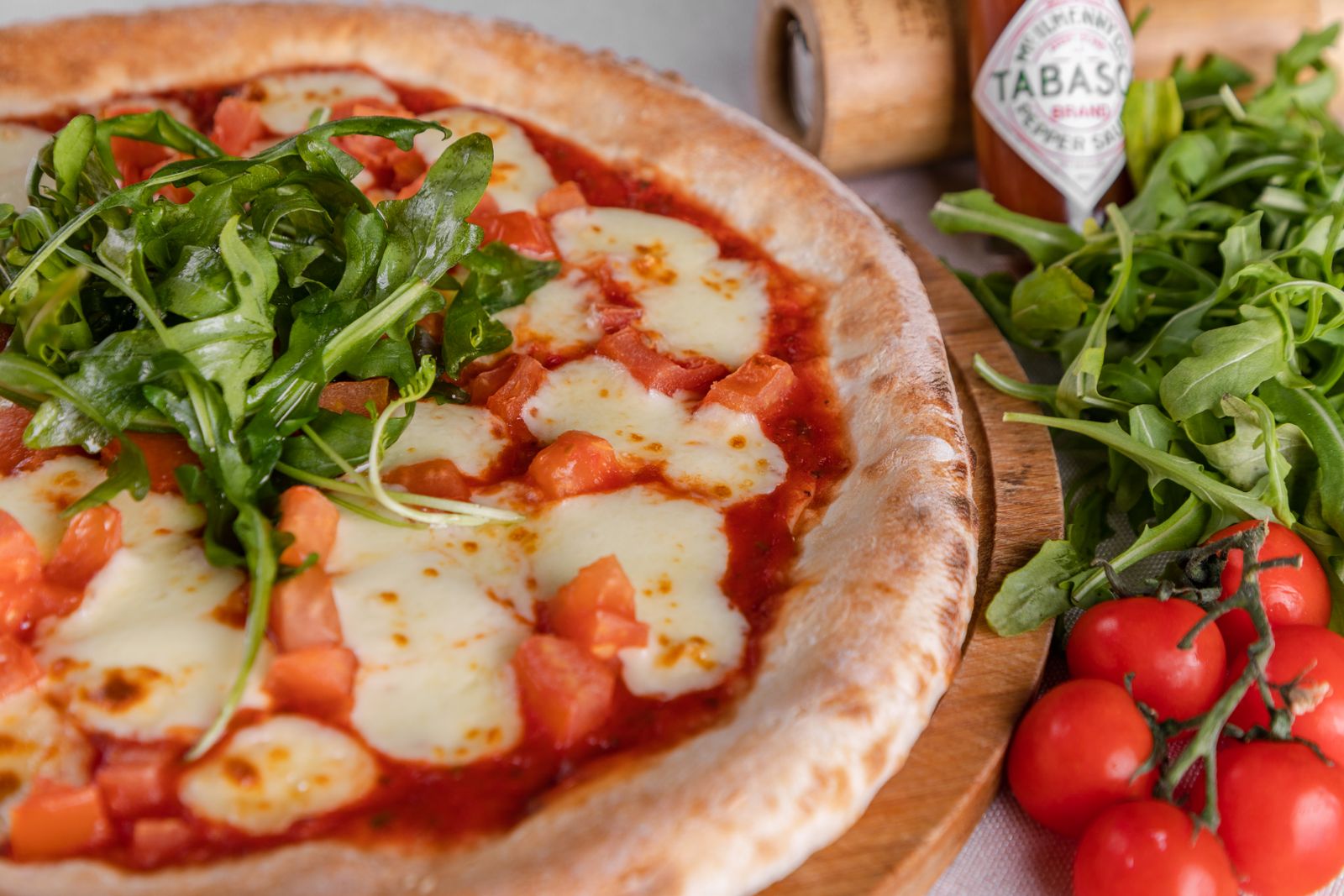
Strictly speaking, margherita includes basil and is not just “cheese pizza” in the narrowest sense. In practice, anyone exploring cheese-forward pies needs to spend time with it because it teaches an entirely different set of values. The dough is softer and more delicate. The bake is much hotter and much faster, often around 60 to 90 seconds in a true wood-fired setup. The crust puffs dramatically at the rim, with leopard spotting from intense heat.
Fresh mozzarella, especially fiordilatte, behaves differently from low-moisture cheese. It does not spread into a uniform layer. Instead, it softens into creamy pockets, leaving spaces where the sauce is visible. That visual openness is part of the charm. The pie is not trying to be covered edge to edge in melted cheese. It is aiming for contrast, a spooned tomato base, milky cheese, fragrant basil, olive oil, and airy crust.
The margin for error is slim. Too much moisture in the cheese and the center floods. Too much sauce and the base turns soupy. Leave it in the oven even 20 seconds too long and the dairy loses delicacy. When it is right, though, the flavor feels almost immediate, bright tomato, sweet milk, warm wheat, and smoke. It is one of the few pizzas where less cheese can create a richer experience.
People who grew up on American takeout sometimes need a few tries to appreciate this style. They expect density and uniformity and instead get softness, char, and a center that bends dramatically. Once that expectation shifts, margherita becomes addictive.
The Roman approach, crispness and control
Roman-style cheese pizzas come in more than one form, but for a food lover the essential lesson is texture. Roman tonda tends to be thinner and crispier than New York pizza, with a more shattering bite. Pizza al taglio, sold by the cut, uses a high-hydration dough baked in rectangular pans, yielding an airy interior and crisp base. In both cases, the cheese application is often lighter and more selective than in many American pies.
That lighter hand can be revelatory. Instead of using cheese as a blanket, Roman bakers often let it act as punctuation. A simple mozzarella topping on a well-fermented dough can taste cleaner and more focused than a heavier pie. Olive oil and salt matter more. The crust speaks louder. If New York style is about balanced abundance, Roman style often leans toward precision.
This is also where a cheese lover starts to notice maturation in the dough itself. High hydration and long fermentation build flavor that can stand up to modest topping. That means the cheese does not need to do all the work. For anyone baking at home, Roman styles offer a useful reminder that better dough often allows for simpler topping decisions.
Sicilian and grandma pies, where cheese meets the pan
Pan pizzas create their own category of pleasure. The crust fries lightly where dough meets oil, producing a crisp exterior and soft, almost focaccia-like interior. In a good Sicilian or grandma pie, the cheese does not merely melt, it settles into the architecture of the pan-baked crust.
Sicilian slices are thicker and more pillowy. Grandma pies are usually thinner, squarer, and a bit more restrained, but both can produce extraordinary cheese pizza. Because the bake is longer and the structure sturdier, these styles handle blends beautifully. Mozzarella gives melt, provolone brings edge, and a finishing dusting of grated hard cheese sharpens the whole slice. Some bakers place cheese directly on the dough before the sauce in parts of the pie, especially near the edges, so caramelized frico forms where dairy meets metal. Those browned corners are usually the first bites to disappear.
This style also demonstrates how sauce placement changes perception. With a pan pizza, sauce can sit above the cheese in small streaks or full coverage depending on the tradition. When the cheese gets direct heat and the sauce is added more selectively, you taste more toasted dairy. When the cheese sits under sauce, the result is softer and more Cheese Pizza integrated. Both are worth trying because they answer different cravings.
White cheese pizza, no red sauce required
One of the most underrated branches of cheese pizza is the white pie. Remove tomato sauce and the whole conversation changes. Without acidity as the anchor, the cheese blend has to provide flavor contrast on its own. Garlic, olive oil, black pepper, ricotta, pecorino, mozzarella, and sometimes fontina or taleggio take the lead.
A strong white pizza is not simply heavier. The best ones are carefully managed so the pie stays vivid rather than cloying. Ricotta, for example, works best in dollops rather than a continuous spread. That keeps each bite from turning pasty. Pecorino adds enough bite to keep the dairy flavors from blurring together. A touch of lemon zest, though not universal, can be surprisingly effective in some modern versions because it lifts the richness without making the pizza taste gimmicky.
What catches many diners off guard is how much more important the crust becomes here. Tomato sauce can mask a bland base. A white pizza cannot. If the dough lacks salt, fermentation, or color, the pie feels flat no matter how good the cheese is. When the baker gets it right, though, a white cheese pizza can feel luxurious and direct, all texture, aroma, and controlled richness.
Four cheese pizza, easy to ruin, wonderful when balanced
Quattro formaggi has a bad reputation in some circles because it is often handled with a heavy hand. Too many strong cheeses, too much total volume, or a poor moisture balance and the pizza turns greasy, salty, and tiring halfway through the second slice. Still, in the hands of someone who understands contrast, it can be one of the most exciting versions of cheese pizza.
The trick is choosing cheeses with different jobs rather than simply piling on favorites. Mozzarella usually acts as the melt foundation. Gorgonzola or another blue cheese brings depth in small doses. A hard aged cheese adds savory concentration. A semi-soft melting cheese like fontina contributes roundness. The baker then has to decide whether to include tomato sauce or leave the pie bianca. Both routes work, but they behave differently. Tomato offers acidity and relief, while a white base creates a richer, more continuous profile.
One of the best four cheese pizzas I have had used less total cheese than many standard delivery pies. That sounds stingy until you taste it. Every bite was distinct. You could still hear the crust crackle. The blue cheese showed up as a flash rather than a fog. It was proof that the best cheese pizza variations are often about restraint more than excess.
Regional American detours worth seeking out
The American pizza landscape has its own internal map, and cheese-first styles can be startlingly different even within the same country. Detroit-style pizza, with its rectangular pan, airy crumb, and frico edge formed by brick cheese or a blend designed to mimic it, turns the perimeter into the star. The corners deliver a caramelized chew that no round pie can replicate. A plain Detroit square, when done right, is not plain at all. It is deeply textural and almost architectural.
St. Louis-style pizza goes in the opposite direction with a cracker-thin crust and Provel, a processed blend that melts into a uniquely creamy layer. It is divisive. Some people love the smoky, tangy softness. Others never warm to it. It is still worth trying because it teaches a larger point, cheese pizza is shaped by local habit as much as by abstract ideals.
New Haven apizza also deserves a stop on any cheese pizza tour. A plain pie there may be called a mozzarella pie if cheese is added, since the bare tomato pie has its own status. The crust bakes darker, with more char and a firmer chew than many New York versions. The cheese is often applied more sparingly, which lets the smoky crust lead. For anyone accustomed to heavily topped slices, that first bite can be eye-opening.
What to notice when you taste different cheese pizzas
If you want to get more from the experience, pay attention to a few specific details rather than just deciding whether you “like it.” Those details reveal why one pie works for you and another does not.
- The crust texture at the rim and center. Crisp, chewy, tender, airy, or dense each creates a different frame for the cheese.
- The moisture level of the cheese. A slice that looks lush can eat soggy if the cheese releases too much liquid.
- The relationship between sauce and dairy. Sharp sauce can brighten a rich pie, while mild sauce lets the cheese dominate.
- Browning and caramelization. Light blistering brings nuttiness, but too much heat can push the cheese into oiliness.
- Salt finish. A pie can taste underseasoned even with plenty of cheese, especially if the dough and sauce are timid.
These points sound technical, but they quickly become instinctive. After a few side-by-side tastings, you begin to recognize your preferences with surprising clarity.
Choosing the right cheese pizza for the moment
The best variation often depends on context more than abstract quality. A New York slice is hard to beat when you want something fast, satisfying, and structurally reliable enough to eat on the move. A Neapolitan pie makes more sense when you can sit down and eat it immediately, before the soft center cools. A Detroit square shines in a group setting because the edge pieces create friendly competition. A white pizza suits a slower dinner where richness can be appreciated rather than rushed.
Beverage pairing changes the experience too. Crisp lager flatters salty, browned cheese beautifully. Light red wines can work with tomato-based pies, but a white pizza often fares better with a mineral-driven white. Sparkling water is underrated, especially with richer blends, because it resets the palate without interfering.
Temperature matters more than many people realize. Some cheese pizzas peak a minute or two after leaving the oven, when molten cheese settles and the crust firms. Others, especially certain by-the-slice styles, come alive with reheating. That is not a flaw. It is part of the style’s design.
For home cooks, small changes create major differences
If you make pizza at home, cheese pizza is the best laboratory you could ask for. It teaches precision quickly. A change of 30 grams in cheese quantity can alter browning and moisture. Switching from fresh mozzarella to low-moisture can transform the center from floppy to structured. Letting fresh mozzarella drain on towels for even 20 to 30 minutes can rescue a pie that used to pool water.
Oven setup matters just as much. A steel or stone improves bottom browning dramatically, especially in home ovens that top out well below professional deck temperatures. Preheating for a full 45 minutes to an hour often matters more than another fancy topping. So does learning when not to overload. Many home pies fail because the maker applies restaurant-level cheese to a dough and oven setup that cannot support it.
Here are a few practical adjustments that consistently improve homemade cheese pizza:
- Mix cheese types with purpose. Use one for melt, one for flavor, rather than grabbing everything in the drawer.
- Measure the cheese at least a few times. Eyeballing tends to creep upward.
- Drain fresh cheeses well and tear them into smaller pieces for more even coverage.
- Finish with grated hard cheese after baking if you want more impact without extra bulk.
- Taste your sauce cold before it goes on the dough. If it seems dull then, baking will not fix it.
These are small habits, but together they separate a decent home pie from one that people remember.
The underrated pleasure of simplicity
There is a reason experienced pizza makers often judge a shop by its plain cheese slice. Simplicity narrows the margin for excuses and widens the reward for skill. A great cheese pizza has confidence. It does not rely on novelty, drizzles, or overcrowding. It trusts dough, tomato, dairy, heat, and timing.
For food lovers, exploring cheese pizza variations is less about ranking styles than about understanding them on their own terms. The thin, foldable New York slice should not be judged by the standards of a soft-centered Neapolitan pie. A Detroit square is chasing edge caramelization and airy crumb, not delicacy. A white pizza aims for depth without tomato brightness. Once you grant each style its own logic, the category becomes much larger and more interesting.
If you have mostly treated cheese pizza as the safe option, it is worth changing the way you order. Try the plain pie at the place known for specialty slices. Compare fresh mozzarella with low-moisture on the same dough if the shop allows it. Order the white pie instead of your usual pepperoni. Seek out a pan style with those lacy cheese edges. What looks simple on the menu often carries the strongest point of view in the kitchen.
That is the quiet power of cheese pizza. It can be humble, even familiar, yet still deliver endless variation for anyone willing to pay attention.
Brooklyn Pizza
1647 Arapahoe Ave
Boulder, CO 80302
+1 720-328-2324
FAQ About Cheese Pizza
What type of cheese is used on a cheese pizza in Boulder, CO?
The cheese varies by pizzeria. Brooklyn Pizza uses whole-milk mozzarella made in-house on its standard pies and offers a plant-based cheese option for vegan pizza. Ask the shop directly about ingredients if you have a dietary restriction.
How many slices are in a large pizza in Boulder, CO?
Slice count depends on how the shop cuts the pie. Brooklyn Pizza lists a 16-inch large pizza. If you are ordering for a group, call to confirm the number of slices or ask whether a smaller cut is available.
What is New York style pizza in Boulder, CO?
New York-style pizza usually has a thin crust and wide slices that can be folded. A classic cheese slice pairs tomato sauce with mozzarella. Brooklyn Pizza serves New York-style pizza by the slice and as whole pies.