Cheese Pizza Boulder, Colorado: A Tasty Tour Through Town


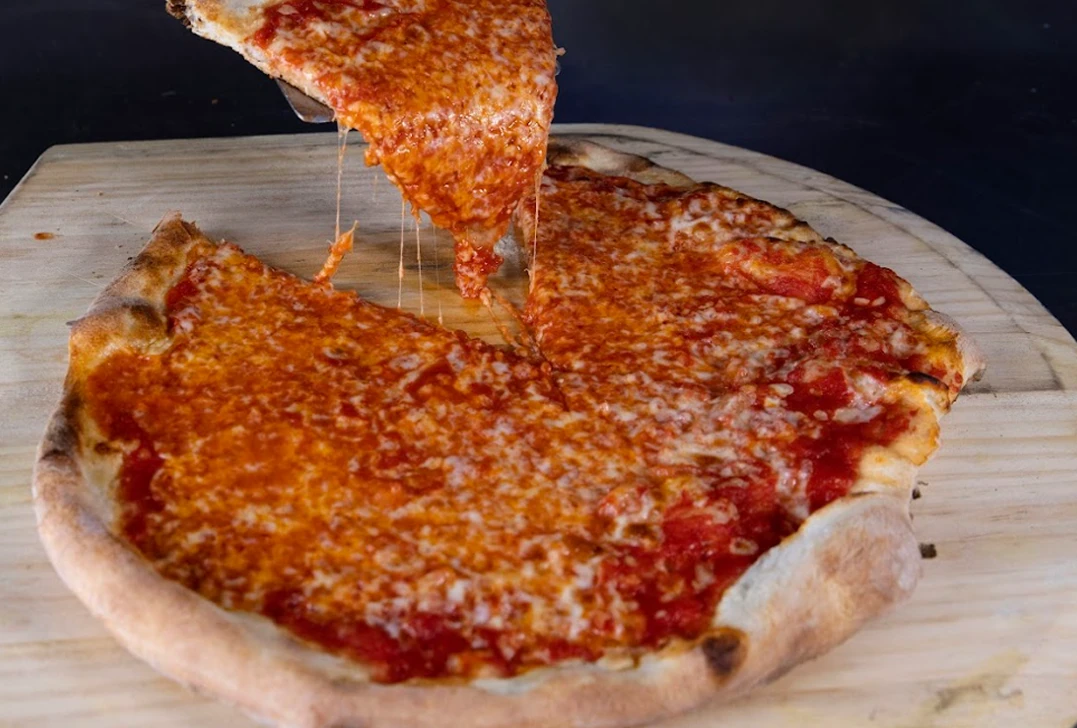
Cheese pizza does not always get the respect it deserves. In a town with ambitious seasonal menus, wood-fired ovens, local flour, and toppings that can drift from classic pepperoni to roasted delicata squash, the plain cheese pie can look almost too simple to matter. Yet anyone who spends enough time eating pizza in Boulder learns the opposite. Cheese pizza is the clearest test of skill. It reveals the dough, the fermentation, the quality of the mozzarella, the restraint or excess in the sauce, and the oven work. There is nowhere to hide.
That makes Boulder, Colorado a particularly interesting place to order it. This is a city with strong opinions about food, a health-conscious streak, a large student population, a steady tourist flow, and enough culinary confidence to support several different pizza styles at once. If you care about Cheese Pizza Boulder, Colorado, you are not looking at one local tradition so much as a compact map of competing priorities. Some places chase Cheese Pizza Boulder, Colorado blistered crust and leopard spotting. Others aim for foldable slices that satisfy late at night. Some lean family-friendly and dependable. Others feel almost obsessive in the way they treat hydration, fermentation time, and the exact pull of melted cheese from pan to plate.
A good cheese pizza in Boulder can fit more than one moment. It can be a quick lunch after a hike in Chautauqua, a refueling dinner after a day on Pearl Street, a student staple near campus, or an easy answer when a mixed group cannot agree on toppings. The beauty of the cheese pie is that it tends to travel across all those occasions with very little friction. When done well, it also gives you the purest expression of a pizzeria’s standards.
Why the plain pie matters more in Boulder than people think
Boulder diners often expect a lot from even casual food. That expectation changes how a cheese pizza is judged. In many college towns, people forgive a basic pie if it is cheap, hot, and available late. Boulder can be more demanding. Diners notice flour quality. They ask whether tomatoes taste bright or flat. They care if the crust holds its structure under the cheese or collapses into dampness. Even a fast slice counter gets measured against a broader local food culture that values ingredient integrity and technique.
That pressure tends to sharpen the field. A pizzeria serving Cheese Pizza Boulder, Colorado, has to satisfy more than one audience at once. Students want value and speed. Families want consistency. Visitors want something local enough to feel worth seeking out. Longtime residents, especially those who have lived in larger pizza cities, want proof that the kitchen understands fundamentals. The result is a market where the plain pie ends up under real scrutiny.
I have always found that cheese pizza is the quickest way to understand whether a place knows its identity. A pizzeria that excels with toppings can still be compensating for a timid sauce or underdeveloped dough. A great cheese pie tells a more honest story. The crust should have flavor before it ever meets the cheese. The sauce should taste of tomatoes rather than sugar or dried herbs. The dairy should contribute richness without turning the whole slice into a greasy blanket.
The Boulder factors that shape the pizza
Boulder sits at altitude, and that matters in subtle ways. Dough behaves differently in dry air. Fermentation can move faster than expected. Moisture management becomes a bigger deal than many casual diners realize. An oven that produces a beautiful char in one climate can dry out a crust more quickly here if the formula is not adjusted. Bakers and pizza makers who take this seriously often produce better balance, especially in the center of the pie, where sauce, steam, and cheese can work against structure.
The city’s eating habits matter too. There is a strong demand for options that feel thoughtful without becoming joyless. That can mean naturally leavened dough, organic produce, better dairy, or gluten-conscious alternatives. Cheese pizza benefits from this tendency when it stays grounded. High-quality mozzarella and a well-built crust are wonderful upgrades. But the pizzerias that understand Boulder best know there is a fine line between refinement and fussiness. Cheese pizza should still feel comforting. It should not eat like a thesis project.
Then there is pace. Boulder moves between outdoor intensity and laid-back dining in a way that gives pizza a broad role. On some days, people want a whole pie after a trail run, with enough chew and salt to restore them. On other days, they want a thin, crisp slice that does not knock them out for the afternoon. This is one reason you will find multiple valid versions of the cheese pie around town. There is no single Boulder style. There are instead several strong approaches, each suited to a different appetite and setting.
The neighborhoods tell you what kind of slice to expect
Walk through Boulder with pizza in mind and the city begins to sort itself into small flavor districts. Near the University of Colorado and the Hill, pizza tends to meet urgency. Students need something accessible, filling, and often portable. Cheese slices in this part of town can skew larger, saltier, and more immediate. The best versions still get the basics right, but they understand the context. A slice eaten on the move between classes or after a late event needs sturdiness and enough cheese to feel satisfying without turning rubbery under heat lamps.
Pearl Street and downtown invite a slightly different mood. Here, pizza competes with the rest of Boulder’s polished casual dining scene. Diners may linger longer. They may split a pie with drinks. They may care more about the atmosphere as part of the experience. Cheese pizzas in this zone often show more attention to presentation, crust development, and ingredient sourcing. When these places succeed, they make the plain pie feel elevated without stripping away its directness. When they miss, the pie can drift into being expensive and strangely timid.
North Boulder often lands in a sweet spot between neighborhood regularity and craft. Families, locals, and repeat customers create pressure for consistency, which is one of the hardest things to achieve in pizza. A cheese pie here often needs to please a table with very different priorities: a child who wants familiar flavor, a parent who notices ingredient quality, and someone else who wants a crust worth eating down to the last edge. The strongest neighborhood pizzerias understand that this is not a compromise. It is the whole job.
South Boulder, with its residential rhythms and easy access to trails, tends to reward comfort and reliability. After a day outside, many diners are not looking for abstraction. They want a pie that arrives hot, well-balanced, and sturdy enough to survive the drive home. This is where carryout performance becomes part of quality. Cheese pizza can be excellent in the dining room and merely decent 20 minutes later in the box. Operators who manage steam, slicing, and bake time for takeout deserve credit.
What separates a very good cheese pizza from an average one
The first thing I watch is the crust edge. Not because an airy cornicione is fashionable, but because it tells you whether the dough had life when it hit the oven. A dead-looking rim often means the whole pie will eat flat. In Boulder, where some pizzerias lean heavily on virtuous ingredient language, a well-developed crust remains the most reliable sign of seriousness. If the rim has color, a little blistering, and visible structure, chances are better that the kitchen understands its dough.
Sauce is the second test, and it is where a lot of otherwise competent cheese pizzas lose me. The best sauce on a plain pie tastes bright and tomato-forward, with enough salt to support the cheese and enough restraint to avoid sweetness. Too many places try to make sauce “interesting” with herb overload, garlic aggression, or sugar that reads like a shortcut. Cheese pizza needs clarity more than complexity. In Boulder, where ingredient quality is often part of the sales pitch, the sauce should prove that claim.
Cheese itself is more nuanced than it looks. A blend can be wonderful if it serves texture and browning. Fresh mozzarella can be excellent if the pie is built to handle the moisture. Low-moisture mozzarella remains hard to beat for even coverage and a classic pull. The real issue is proportion. Too little cheese can make a pie feel austere, especially when the crust has strong chew. Too much can suffocate a carefully fermented base. The best pies hit that narrow middle ground where each bite gives you dairy, tomato, and crust in the same breath.
Brooklyn Pizza Cheese Pizza Boulder, ColoradoBake is the final filter. A pale cheese pie rarely satisfies. On the other hand, a scorched top that turns bitter can flatten the milkiness that makes a plain pie comforting. Boulder’s stronger pizzerias usually understand that cheese pizza asks for confidence in oven timing. The slice should bend, not slump. The cheese should have spots of color, not a bland white sheen. The underside should show enough bake that the pie can carry itself.
Styles you are likely to find around town
Boulder does not lock itself into one pizza language, and that works in the cheese lover’s favor. Depending on where you go, the same order can arrive looking and eating very differently.
- New York-inspired pies tend to offer the most straightforward benchmark: thin enough to fold, crisp at the edge, balanced sauce, and a cheese layer that stretches without pooling grease.
- Wood-fired pies usually bring stronger char and more irregular texture, often with a softer center and more delicate margin for error on moisture.
- Pan or thicker-crust styles emphasize caramelized edges, richer cheese presence, and a heavier, more indulgent feel, especially good on colder days.
- Fast-casual personal pies can surprise you when the oven is hot and the line is moving well, though they vary more depending on rush hour and staff experience.
- Neighborhood delivery pies live or die by consistency. The best of them may never look glamorous, but they arrive hot, balanced, and deeply satisfying.
What matters is not whether one style is inherently better. It is whether the pizzeria knows what its style demands. A New York-style cheese pie should not have a soggy center. A wood-fired pie should not taste dried out. A pan pie should feel rich, not leaden. Boulder has enough range now that you can match the style to the moment rather than settling for one default.
The experience of eating cheese pizza in Boulder, not just the pizza itself
Place matters with pizza more than many foods. A cheese pie eaten in a lively dining room on Pearl Street can feel different from the same pie reheated at home, and not just psychologically. Timing, steam, and movement all affect texture. In Boulder, where people often shuttle between errands, trailheads, and social plans, pizza travels a lot. That means the smartest diners think about logistics.
If you are dining in, order the cheese pie first and judge the house on that before branching out. It comes out at the kitchen’s most honest. If you are taking it to go, ask yourself how far you are traveling and whether you care more about crust crispness or heat retention. A thinner pie may eat beautifully in the first five minutes and flatten by the twentieth. A thicker or slightly more robust style often survives the trip better. This is not a knock against delicate pies, only a reminder that great pizza is time-sensitive food.
I have had some of my best Boulder pizza meals after accepting that context matters. A bubbling cheese pie split immediately among friends after a long walk downtown is often more memorable than a more technically ambitious pizza carried across town in a sealed box. The same goes for late-night slices. They do not have to be transcendent to hit the mark. They do need enough crust integrity and enough seasoning to feel alive rather than tired.
How to order smart if cheese pizza is your benchmark
People often overcomplicate pizza ordering. With cheese pizza, a few practical habits help.
- If it is your first visit, start with the standard cheese before adding toppings or substitutions.
- Eat at least one slice fresh from the box or oven before judging the pie after it cools.
- For takeout, crack the box slightly on the ride home if steam is building, especially with thinner crusts.
- If you care about texture, ask whether the style is better for dine-in or travel.
- Reheat leftovers in a skillet or oven, not a microwave, unless your standards are very flexible.
Those small decisions sound fussy, but they can be the difference between understanding a pizzeria and misreading it. Cheese pizza is unusually sensitive to timing. A pie that tastes balanced at minute three can taste heavy at minute twenty if the cheese congeals and the crust softens.
Boulder’s cheese pizza trade-offs are part of the appeal
One reason Cheese Pizza Boulder, Colorado, is worth talking about at length is that every pie reflects a series of choices. A naturally fermented dough might offer remarkable flavor but produce a texture some people find too airy for a classic cheese slice. A high-end mozzarella might taste cleaner and creamier but release more moisture than a pizzeria can comfortably manage at volume. A hotter oven can create beautiful blistering but also punish inexperience on a busy night. None of these are abstract concerns. You can taste them.
The city’s dining culture tends to expose these trade-offs rather than hide them. Boulder diners are open to craft, but they are also practical. A cheese pizza still needs to be dinner, not a lecture. That tension keeps the best operators honest. It also gives eaters a chance to figure out what they actually value. Some people want a crisp base and bright sauce above all else. Others care most about a plush interior crumb and a gentle dairy profile. Some want a slice they can fold on the sidewalk without losing cheese down their shirt. Others are happy to sit down with a knife and fork for a softer, wood-fired pie. Boulder supports all of those preferences if you know how to read the room.
Seasonal rhythm changes what sounds good
Cheese pizza behaves differently across Boulder’s calendar. In winter, richer styles seem to make more sense. A pan pie or a generously cheesed round can feel especially right after dark, when the temperature drops and people want something hearty. In spring and early summer, thinner pies with bright sauce and a little more acidity tend to shine. After a warm day spent outside, a heavy, oily slice can feel like too much.
Fall may be the best pizza season in town. The air cools, the city settles into a steadier pace, and people are ready to gather indoors again. A well-made cheese pizza hits the exact center between comfort and appetite. It also pairs easily with whatever the evening becomes, a family dinner, a casual date, a post-game meal, or a low-effort get-together with friends.
That seasonal shift is one reason locals often have more than one favorite pizzeria. The “best” cheese pizza in Boulder can depend on weather, mood, neighborhood, and whether you are eating immediately or carrying it home. I distrust absolute rankings for exactly that reason. Pizza is too situational, and Boulder is too varied.
What visitors usually miss
Visitors often chase novelty when they should be paying attention to fundamentals. They ask for signature toppings, local twists, or the most photographed pie in town. Those can be fun, but if you really want to understand Boulder’s pizza scene, order cheese at least once. It strips away the distraction and lets you see who has discipline.
Another thing visitors miss is that the best pizza experience may not come from the trendiest address. Some of the most satisfying cheese pies come from places that understand repetition, traffic, and neighborhood loyalty. The room may be casual. The menu may be broad. The branding may not scream artisanal excellence. None of that matters if the dough is consistent, the bake is clean, and the pie arrives exactly as it should.
Finally, many visitors underestimate how much a Boulder day shapes appetite. After hiking, biking, climbing, or just walking at altitude, people crave salt, carbs, and comfort. Cheese pizza fits that need beautifully. It does not ask for interpretation. It simply needs to be made with care.
A plain pie that tells the whole story
Cheese pizza is the shortest route to understanding how Boulder eats. It captures the city’s mix of high standards and practical appetites, its respect for craft and its affection for casual comfort. It shows how operators handle altitude, ingredient sourcing, and the constant challenge of serving different kinds of diners without losing their point of view.
If you spend time looking for the best Cheese Pizza Boulder, Colorado has to offer, you start noticing the details that separate a decent pie from one you remember. The crackle of the first bite. The sweetness of a well-cooked tomato sauce that never turns sugary. The way the cheese settles into the crust instead of sliding off. The rim that tastes like bread, not just a handle. Those are small things, but pizza is built from small things done right.
And that is why the plain pie still matters. In a town full of options, cheese pizza remains the clearest measure of confidence. Boulder gives it plenty of room to prove the point.
Brooklyn Pizza
Address: 1647 Arapahoe Ave, Boulder, CO 80302
Phone number: +17203282324
FAQ About Cheese Pizza Boulder, Colorado
What is usually on a cheese pizza?
A standard cheese pizza consists of a yeast dough crust, a seasoned tomato-based sauce, and melted mozzarella cheese.
What is a cheese pizza called?
A basic cheese pizza is simply called a cheese pizza, a plain pizza, or a plain pie.
What is the best recipe for cheese pizza?
The best cheese pizza recipe uses high-heat baking, a simple raw tomato sauce, and a mix of low-moisture and fresh mozzarella cheese on a homemade yeast dough.